

Anime Filler Explained: What It Is and Should You Skip It
Thameemudheen Kachayi MankoolIf you've ever sat down to binge-watch a long-running anime and suddenly found yourself watching a beach episode in the middle of an intense war arc, congratulations, you've just experienced filler. It's one of the most talked-about, debated, and polarizing topics in the entire anime community. Some fans skip it without a second thought, others swear certain filler episodes are actually worth watching, and a few will defend filler to their last breath. But what exactly is filler, where does it come from, and why does it exist in the first place?
Whether you're a seasoned anime veteran or someone just getting into the world of Japanese animation, filler is something you'll encounter sooner or later, especially if you dive into long-running series like Naruto or One Piece. From understanding the difference between canon and filler, to figuring out which anime has the most of it and which has none at all, to deciding whether you should even bother watching it, there's a lot more to filler than most people realize.
In this blog, we're breaking it all down. We'll cover everything you need to know about anime filler, compare how it plays out across some of the biggest titles in the game, and even answer whether filler as we know it is slowly fading away. Let's get into it.
What Are Filler Episodes In Anime

Filler episodes are anime episodes that contain no content from the original manga or light novel the series is based on. They are written entirely by the anime studio and do not affect the main story in any way. You can skip them completely and nothing in the main plot will change.
The term "filler" comes from exactly what it sounds like, these episodes are used to fill time. When an anime is airing weekly but the manga it follows hasn't released enough chapters yet, the studio needs to stall. Instead of stopping the show or going on a long hiatus, they produce original episodes that buy time until the source material catches up.
Filler episodes typically share a few common traits:
- They introduce side stories or minor characters that never appear again
- They resolve within one or two episodes with no lasting consequences
- They do not advance character development or the main plot
- They are usually placed right before a major manga arc to delay reaching it
It is important to note that not everything original to the anime is automatically filler. Some anime studios produce "anime canon" content that is original but still fits within the continuity of the story and is approved by the original author. True filler, however, sits completely outside the story and leaves no mark on it once it ends.
What is the difference between anime canon and filler

These two terms often get used interchangeably by fans but they mean very different things.
Canon is any content that comes directly from the original manga or light novel. It follows the author's story, uses the same events, and is considered the true, official version of the narrative. When an anime adapts these chapters faithfully, everything you see is canon.
Anime canon is a step removed from that. It refers to original content created by the anime studio that does not exist in the manga but is still written to fit within the story's continuity. The original author may or may not have been consulted. It does not contradict the main plot and is often embraced by the fandom as part of the story.
Filler is completely separate from the story. It is produced solely to stall the anime while the manga catches up. It introduces scenarios, missions, or characters that have zero connection to the source material and disappear without consequence once the arc is over.
The key difference comes down to impact:
- Canon moves the story forward
- Anime canon adds to the world without breaking it
- Filler stalls the story and contributes nothing to it
A practical example: in Naruto Shippuden, the Kakashi backstory episode is considered anime canon because it expands a real character meaningfully. The Land of That arc with entirely new characters nobody ever sees again is filler, it happened, then it was forgotten completely.
why does anime have filler
Anime has filler because of a pacing problem between the anime and its source material. Most long-running anime air new episodes every single week, but the manga they are based on releases chapters at a much slower pace. When the anime starts catching up to the manga, the studio faces a choice: pause the show and risk losing viewers, or produce original episodes that buy time until enough manga chapters are available to adapt. They almost always choose the second option. Filler is essentially the studio's way of keeping the show on air without spoiling or rushing past the source material.
What anime has the most filler

When it comes to filler, a few anime stand out far above the rest:
Detective Conan (Case Closed) holds the record for the highest number of filler episodes in sheer volume. With over 1,000 episodes and still airing, a massive portion of its runtime is filler content, largely because the manga has been running since 1994 and the anime has been chasing it for decades.
Bleach is one of the most filler-heavy anime in percentage terms, with roughly 45% of its total episodes being filler. The Bount arc and several other original arcs are considered some of the most notorious filler runs in anime history.
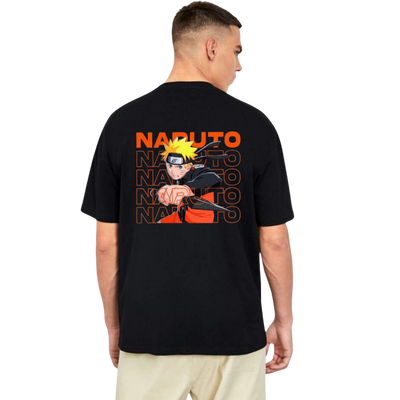
Naruto and Naruto Shippuden together account for nearly 300 filler episodes combined. Naruto sits at around 41% filler and Naruto Shippuden follows closely behind, making the overall Naruto experience one of the most filler-dense journeys a viewer can take.
Dragon Ball Z also carries a significant filler load, with around 14% of its episodes being original content, which adds up considerably given its long run.
The pattern across all of these is the same: the longer a weekly anime runs alongside a manga, the more filler it accumulates over time. Short seasonal anime rarely have any filler at all, which is a big reason why the industry has been shifting toward that format in recent years.
Are anime filler important
Honestly, in most cases, no. Filler episodes are by definition disconnected from the main story, which means nothing that happens in them carries any real weight. Characters do not grow, plots do not advance, and once the arc ends everything resets back to where it was. For viewers who are invested in the story, filler often feels like a waste of time.
That said, not all filler is worthless. Occasionally a filler episode lands well because it gives breathing room between intense arcs, adds a bit of humor, or lets side characters get some screen time they never get in the main story. Some fans genuinely enjoy these moments even knowing they mean nothing for the plot.
But important? Rarely. The proof is in how the community treats them. Filler skip guides exist for almost every major long-running anime because the consensus among fans is clear: you can skip most filler and miss absolutely nothing that matters. If filler were truly important, skipping it would leave gaps in your understanding of the story. In almost every case, it does not.
The only time filler edges toward being important is when it is good enough to be entertaining on its own terms, not because it adds anything meaningful to the anime itself.
What anime has no filler
Several anime manage to adapt their source material without adding a single filler episode, and they tend to be among the most critically praised series in the community.
Fullmetal Alchemist Brotherhood is the most commonly cited example. It follows the manga panel by panel with almost zero filler and is widely considered one of the greatest anime ever made, which tells you a lot about what staying true to the source material can do.
Attack on Titan ran its entire multi-season run with no filler. Every episode adapted manga content directly, which is a big reason the pacing felt so tight and intense throughout.
Jujutsu Kaisen has no filler. The studio opted to follow the manga closely and in some seasons chose to take breaks rather than produce filler to fill the gap.
Demon Slayer is another clean example. Every arc adapts the manga faithfully with no original filler episodes added.
Hunter x Hunter (2011) is almost entirely filler free, with only a tiny fraction of episodes being loosely original and even those stay within the story's continuity.
The common thread across all of these is that they are either shorter in episode count, took breaks between seasons instead of airing continuously, or the studios made a deliberate choice to adapt faithfully rather than stall. The seasonal anime model plays a big role here because a 12 or 24 episode season with a planned ending simply does not need filler the way a weekly airing show does.
Are filler episodes in anime going extinct
Not extinct yet, but they are becoming far less common than they used to be and the trend is clearly moving in that direction.
The biggest reason is the shift from continuous weekly airing to the seasonal anime model. Older anime like Naruto, Bleach, and Dragon Ball Z aired every single week for years without stopping, which made filler almost unavoidable. Modern anime typically release in structured seasons of 12 to 24 episodes, take a break, then return when enough source material is ready. This format eliminates the core reason filler exists in the first place.
Studios today are also more willing to go on hiatus rather than produce filler. Attack on Titan, Jujutsu Kaisen, and Demon Slayer all took extended breaks between seasons instead of padding their runtimes with original content. A few years ago that approach was rare. Now it is becoming the standard.
Streaming platforms have also played a role. With Netflix, Crunchyroll, and other platforms funding and distributing anime globally, there is more pressure to deliver quality over quantity. A poorly received filler arc can tank viewer ratings and damage a show's reputation in ways that matter more now than they did during the era of TV-only broadcast.
Filler is not completely gone though. Long-running weekly anime like Boruto and One Piece still produce filler regularly because they face the same pacing problem their predecessors did. But as the industry continues moving toward seasonal releases and planned adaptations, filler episodes are slowly becoming a relic of a different era of anime production.
Do you need to watch anime filler
No, you do not. Filler episodes are designed in a way that skipping them leaves your understanding of the main story completely intact. Nothing that happens in filler carries over into the canon storyline, so you will not miss any plot points, character development, or important moments by skipping them entirely. If you are watching a long-running anime and want to get through the story as efficiently as possible, using a filler skip guide is completely valid and something a large portion of the anime community does without hesitation.
does any youtuber react to anime filler episodes
Yes, plenty of YouTubers react to filler episodes. Channels that do full episode by episode reactions will often sit through filler for the sake of completeness, though it is common to see them visibly less engaged or openly tell their audience mid-reaction that the episode is filler. Some creators skip filler entirely and explain why, while others have built content specifically around reacting to notorious filler arcs like the Bount arc in Bleach or various Naruto filler runs, treating the absurdity of those episodes as entertainment in itself.
Is anime original episode considered filler
Not automatically, no. An anime original episode is any episode that was not adapted directly from the manga or source material, but that does not make it filler by default. The distinction comes down to whether the episode has any meaningful impact on the story. If an anime original episode adds something to the narrative, develops a character in a way that carries forward, or fills a gap in the story that the manga left open, it is generally considered anime canon rather than filler. Filler specifically refers to original content that contributes nothing to the main plot and leaves no lasting effect once it ends. So while all filler is technically anime original, not all anime original episodes are filler.
Filler In Different Anime Movies
Filler looks very different depending on which anime you are watching. Some series have managed to keep it minimal while others have entire arcs that fans universally agree never needed to exist. The amount of filler in an anime is usually tied directly to how long it has been airing and how fast its source material releases. Below we break down how filler plays out in two of the biggest long-running anime of all time.
How Much of Naruto is Filler?
Naruto as a whole is one of the most filler-heavy experiences in anime. The original Naruto series sits at around 41% filler, with 91 filler episodes out of 220 total. Naruto Shippuden is slightly better but still adds another 203 filler episodes out of 500, putting that series at around 40% filler as well. Combined across both shows, you are looking at nearly 300 filler episodes in the full Naruto saga, which is an enormous amount of content that contributes nothing to the main story.
Does One Piece Anime Have Filler?
Yes, One Piece has filler. With over 1000 episodes and still ongoing, the series has accumulated roughly 99 filler episodes spread across arcs like the G-8 arc, the Spa Island arc, and the Caesar Retrieval arc among others. While the percentage is low compared to most long-running anime, 99 episodes is still a considerable number in absolute terms. One Piece continues to air weekly so filler remains part of its ongoing run.
How Much of One Piece Anime is Filler?
One Piece sits at roughly 10% filler overall, which by long-running anime standards is relatively controlled. The filler is spread across the series rather than being dumped into one long consecutive stretch, and the G-8 arc in particular is widely considered one of the best filler arcs in anime history, with many fans ranking it above some actual canon arcs in terms of entertainment value.
Which Anime Has More Filler: Naruto or One Piece?
Naruto has significantly more filler than One Piece by every measure. In percentage terms Naruto sits at around 40% filler while One Piece sits at around 10%. In total episode count Naruto has nearly 300 filler episodes compared to One Piece's roughly 99. The gap is large enough that there is really no debate here. If you are looking to avoid filler, One Piece requires far less skipping than Naruto does.
Conclusions
Filler has been a part of anime for decades and for most of that time it has been the thing fans love to complain about. And honestly, most of that frustration is justified. Hundreds of episodes across Naruto and Bleach that go nowhere, characters you never see again, and storylines that reset the moment they end. It is not hard to see why skip guides exist and why the community treats filler the way it does.